
Maternity & Nursing Bra Size Calculator
Stop Guessing Your Size
Use our international bra size calculator to find your perfect fit in seconds.
Comprehensive Guide to the Maternity & Nursing Bra Size Calculator
Navigating the profound physical changes of pregnancy and postpartum life can be both exciting and overwhelming. One of the most significant changes you’ll experience is in your breast size and shape. Finding the correct fit isn’t just about aesthetics; it’s about crucial support, health, and comfort. This comprehensive pillar guide will explain everything you need to know about using a maternity and nursing bra size calculator, how to measure correctly at different stages, and what to look for when shopping for maternity lingerie.
The Importance of a Correctly Fitting Maternity Bra
During pregnancy, your body undergoes massive hormonal shifts that prepare you for breastfeeding. These shifts cause the milk ducts to expand and the breast tissue to grow. A properly fitted maternity bra offers several vital benefits:
- Pain Relief: Heavy, unsupported breasts can lead to severe back, neck, and shoulder pain. A good bra distributes the weight evenly.
- Preventing Mastitis and Blocked Ducts: When a bra is too tight, especially underwire bras, it can compress the milk ducts. This can lead to blocked ducts and ultimately mastitis, a painful infection of the breast tissue.
- Adapting to Changes: Maternity bras are specifically designed with extra hooks and stretchy fabrics to accommodate your expanding ribcage and fluctuating cup sizes.
When Should You Measure for a Maternity Bra?
The timeline of breast changes varies from person to person, but there are general milestones where you should use a maternity bra size calculator:
- First Trimester (Weeks 1-12): You may notice tenderness and slight swelling. Your regular bras might feel tight. It’s often recommended to switch to a wire-free, stretchy sleep bra or a soft maternity bra.
- Second Trimester (Weeks 13-27): This is when your ribcage begins to expand to make room for your growing baby. Your band size will likely increase. This is an ideal time to take your first official maternity bra measurement.
- Third Trimester (Weeks 28-40): Your cup size will likely grow again as your body prepares for lactation. Measure again around week 36 to buy nursing bras. At this stage, you want a band that fits comfortably on the tightest hook, so you can loosen it as your ribcage remains expanded immediately postpartum, and tighten it as your ribcage contracts later.
- Postpartum (Nursing): When your milk “comes in” (usually 2-5 days postpartum), your breasts will become significantly larger and heavier. After your supply regulates (around 6-8 weeks postpartum), measure again for your long-term nursing bras.
How to Measure Using the Maternity & Nursing Bra Size Calculator
Taking accurate measurements is the foundation of our nursing bra size calculator. Here is the step-by-step process recommended by our fitting experts.
Step 1: Prepare for Measuring
- Wear a non-padded, wire-free bra that fits you reasonably well, or measure over bare breasts if you are comfortable and they do not sag significantly.
- Stand straight in front of a mirror to ensure your measuring tape is parallel to the floor.
- Use a soft, flexible measuring tape.
Step 2: Measure Your Underbust (Band Size)
- Wrap the measuring tape around your ribcage, directly under your bust where the bra band normally sits.
- Ensure the tape is level all the way around your back.
- Pull it snug. During pregnancy, don’t pull it uncomfortably tight, but it shouldn’t be loose.
- Note the measurement in inches or centimeters.
Step 3: Measure Your Overbust (Cup Size)
- Wrap the tape around the fullest part of your bust (usually across the nipples).
- Keep the tape level around your back.
- This measurement should be loose—do not compress your breast tissue.
- Note this measurement.
Step 4: Input the Data
Enter your underbust and overbust measurements into our interactive Bra Size Calculator. Whether you use inches or centimeters, our tool processes the data to find your precise size, taking into account the unique sizing algorithms for maternity wear.
Understanding the Results: Band and Cup Ratios
The calculator uses the difference between your overbust and underbust to determine your cup size. For instance, a 1-inch difference typically equates to an A cup, 2 inches to a B cup, and so on. However, because pregnancy expands the ribcage, you might find your band size increasing from a 34 to a 36 or 38, while your cup volume might also increase.
If our calculator suggests a size that feels slightly off depending on the brand, remember to utilize Sister Sizes. Sister sizes allow you to adjust the band tightness while keeping the exact same cup volume (e.g., if a 36D is too tight in the band, a 38C provides the same cup volume but a looser band).
Key Features to Look for in Maternity and Nursing Bras
Once you have your size, choosing the right style is paramount. Look for these essential features:
- Wire-Free Support: While some flexible underwires are safe, wire-free options eliminate the risk of compressing milk ducts.
- Multiple Hook-and-Eye Closures: A standard bra has three sets of hooks; a good maternity bra should have at least four to six to allow for ribcage expansion and contraction.
- Breathable Fabrics: Hormonal changes can cause hot flashes and increased sweating. Cotton, bamboo, and moisture-wicking blends are ideal.
- Wide Straps: To support heavier breasts without digging into your shoulders.
- Easy-Open Clips: For nursing bras, practice opening the clips with one hand, as you will often be holding a crying baby with the other!
Common Questions and Pitfalls in Maternity Bra Sizing
A frequent pitfall is buying bras with underwires too early in the pregnancy or buying nursing bras in the first trimester. Your body will change too much! Rely on our pregnancy bra size calculator at the key milestones mentioned above.
Another issue is ignoring international sizing differences. A UK “G” cup is vastly different from a US “G” cup. Our calculator automatically factors in standard sizing, but always review the brand’s specific chart and use our international converter when shopping globally.
Conclusion
Your body is doing incredible work, and you deserve lingerie that supports you comfortably every step of the way. Stop settling for pinching, gaping, or restrictive bras. Use the link above to calculate your exact size instantly with our maternity and nursing bra size calculator. Check your results, re-measure every few months, and invest in quality pieces that make your pregnancy and postpartum journey as comfortable as possible.
Frequently Asked Questions
Is the maternity bra size calculator completely free to use?
Yes, our calculator is 100% free, private, and runs entirely on your device without storing your personal measurements. You can use it as many times as you need throughout your pregnancy.
How often should I re-calculate my size during pregnancy?
We recommend measuring at the end of your first trimester, around week 20, around week 36 (for nursing bras), and then 6-8 weeks postpartum when your milk supply has regulated.
Can I wear underwire bras while pregnant or nursing?
It is generally advised to avoid rigid underwires as they can compress expanding breast tissue and milk ducts, leading to blocked ducts or mastitis. If you prefer wires, look for flexible, soft-wire options specifically designed for maternity.
What if my breasts are two different sizes?
This is very common, especially when breastfeeding! Always measure and buy a bra that fits the larger breast. You can tighten the strap on the smaller side or use a nursing pad to even out the fit.
How many nursing bras do I actually need?
A good rule of thumb is three: one to wear, one in the wash, and one in the drawer ready to go. You may also want a dedicated soft sleep bra for nighttime nursing.
Why Proper Fit Matters
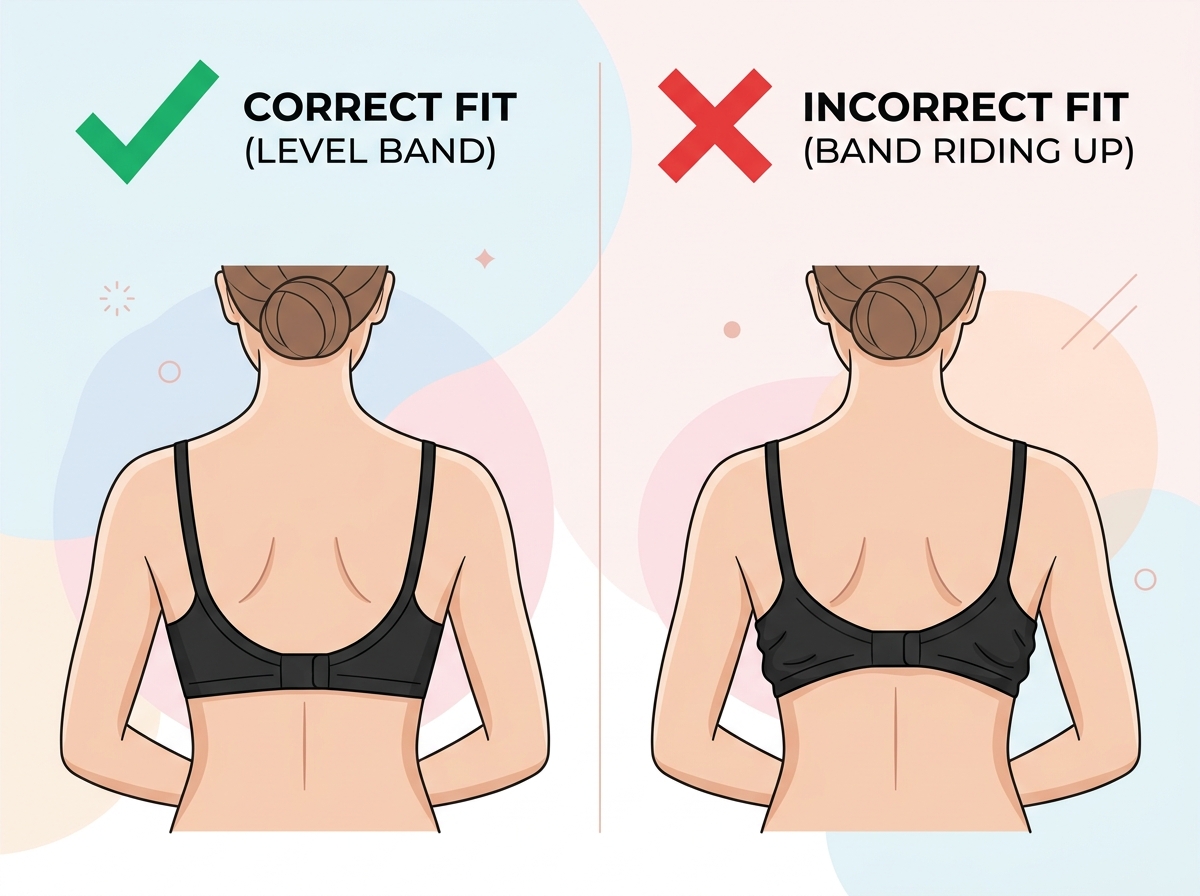
Wearing a bra that fits correctly provides reliable daily support and all-day comfort. A well-fitted band takes the weight off your shoulders, prevents slipping or digging straps, and ensures your garments sit smoothly against your body.
Because body measurements and bra sizing matrices vary across different manufacturers, learning how to measure your bra size accurately is the most dependable way to establish your baseline. If your current bra feels uncomfortable, browse our bra fit diagnostic guide for common solutions.