
The Ultimate Guide: What Does a G Cup Actually Mean? (F, FF, G & GG Explained)
Stop Guessing Your Size
Use our international bra size calculator to find your perfect fit in seconds.
The Definitive Guide to G Cups: Beyond the Letters
When navigating the intricate and sometimes perplexing world of lingerie, few sizing questions evoke as much confusion as those surrounding larger cup sizes. You might be wondering what does g cup mean in the context of everyday wear, comfort, and aesthetics. The reality of modern bra sizing is far more nuanced, mathematical, and fascinating than the outdated letters-and-numbers system might suggest.
Understanding what is a g cup begins with dispelling the long-held cultural myths. For decades, popular culture has perpetuated a severe misunderstanding of bra sizing, often framing anything above a D cup as unimaginably large or disproportionate. Today, with inclusive sizing becoming the global industry standard and specialized fitters leading the charge, we recognize that a G cup is perfectly normal, remarkably common, and breathtakingly beautiful when supported and styled correctly.
The Architectural Foundation of a G Cup
At its absolute core, bra sizing is simply a ratio—a mathematical expression of your body’s specific geometry. The numerical portion of your size (like 32, 34, or 36) represents the underbust measurement, which constitutes your band size. The letter component represents the volume difference between that band size and the fullest part of your bust.
In standard US sizing, a G cup generally indicates a 9-inch difference between your ribcage and your bust line. However, the most critical concept to grasp is that cup volume scales directly with band size. Therefore, a 30G and a 40G look completely different in proportion and sheer scale. A 30G actually holds the exact same volume of breast tissue as a 32F, a 34E, or a 36DD. This foundational concept, known within the industry as “sister sizing,” is the ultimate secret to finding your perfect, tailor-made fit.
If you are unsure of your starting point or have been experiencing discomfort with your current lingerie wardrobe, we highly recommend using a comprehensive bra size calculator to establish an accurate, mathematical baseline before you begin shopping.
G vs F vs GG: Navigating the Sizing Spectrum
One of the most frequent and understandable questions we encounter in the fitting room is, “is g cup bigger than f?” The simple answer is yes. But the complete, professional answer depends entirely on whether you are looking at US or UK sizing systems.
UK sizing is widely considered the gold standard for full-bust brands—such as Panache, Freya, and Elomi—because of its strict consistency and logical progression. In the UK system, the sizing moves mathematically from F to FF, and then finally to G.
Here is a straightforward volume comparison table to help you visualize the progression of these premium sizes:
| Cup Size (UK) | Bust/Underbust Difference | Relative Volume Step | Design Characteristics |
|---|---|---|---|
| F | 7 inches | Baseline Full Bust | Requires robust underwire |
| FF | 8 inches | +1 Volume Step | Often introduces reinforced side panels |
| G | 9 inches | +2 Volume Steps | Mandates multi-part cup construction |
| GG | 10 inches | +3 Volume Steps | Features wider straps and firm power mesh |
You might also frequently see the term double g cup when browsing European lingerie. A GG cup (or double G) is exactly one cup volume larger than a standard G cup. Brands utilize these double letters in the UK system to indicate precise half-steps in volume, allowing for an incredibly precise, bespoke-feeling fit that a single letter progression cannot offer. If you are purchasing European or American brands, understanding how these systems translate is absolutely crucial. We highly suggest referencing a reliable UK bra size guide to ensure seamless, error-free size conversions across all your favorite luxury brands.
Visualizing G Size Boobs in Reality
When discussing g size boobs, the mental image many people instantly conjure is heavily distorted by decades of inaccurate media representation. Because a significant percentage of women are currently wearing bands that are far too loose and cups that are severely too small (the classic scenario of wearing a 36DD when they mathematically require a 32G), true G cups often look much smaller, more lifted, and more proportionate than you might expect.
A well-fitted G cup provides a beautifully lifted, distinctly separated, and incredibly sleek silhouette under clothing. The right bra acts as a high-performance structural foundation, actively taking the heavy weight off the delicate tissues of the shoulders and transferring it securely to the robust band around the ribcage.

The Premium Fit Experience: What to Look For
Finding the perfect G cup bra is remarkably akin to tailoring a custom luxury suit. It is not merely about containing breast volume; it is fundamentally about architectural support, premium high-tensile fabrics, and thoughtful ergonomic design.
When you are shopping in this specific, full-bust size range, you must demand excellence. Look for these critical construction elements:
- Multi-part seamed cups: Seamed cups (frequently seen in 3-part or 4-part balcony designs) offer infinitely better lift, forward projection, and structural integrity than standard molded seamless cups, which often collapse under heavier tissue.
- Firm power mesh bands: The band provides a staggering 80% of the bra’s total support. Firm, high-quality power mesh ensures the bra remains anchored securely and horizontally against your ribcage, without riding up your back.
- Fully adjustable, textured straps: While the straps should only provide 20% of the overall support, utilizing textured, fully adjustable straps prevents annoying slipping and allows for precise micro-adjustments for your unique torso length.
- Wider, taller gores: The center gore (the crucial piece of fabric connecting the underwires between the cups) must tack perfectly flat against your sternum to properly separate and support the breasts.
Embracing your true, mathematically correct size is nothing short of a transformative physical experience. Transitioning into a properly fitted G cup—or whatever size truly honors your body’s geometry—dramatically alleviates chronic back pain, vastly improves your natural posture, and radically alters the way your entire wardrobe drapes. It is the unseen but vital foundation of a truly polished, sophisticated aesthetic. Let go of the letter anxiety, and embrace the unparalleled comfort of structural precision.
Frequently Asked Questions
What is a G cup in inches?
A G cup typically represents a 9-inch difference between your underbust (ribcage) and overbust (fullest part of the bust) measurement in standard US sizing. However, this exact mathematical difference varies slightly depending on whether you are utilizing US or UK sizing systems.
Is G cup bigger than F?
Yes, absolutely. In both the US and UK bra sizing systems, a G cup is definitively larger than an F cup. In the widely preferred UK sizing system, the volume progression logically moves from F, to FF, and then to G.
What does double G cup mean?
A double G cup, universally designated as GG, is a specific UK size that represents precisely one cup volume larger than a standard G cup. It mathematically accommodates a full 10-inch difference between the bust and the underbust, offering a crucial half-step for precision fitting.
Are G size boobs considered extremely large?
While they are statistically larger than the societal average, G size boobs are incredibly common when women are measured and fitted correctly by professionals. An enormous number of women currently wearing a DD or DDD are actually a G cup or larger and simply have not yet experienced a proper, inclusive fitting.
Stop Guessing, Start Calculating
Finding your perfect fit shouldn’t be a mystery. Use our advanced Bra Size Calculator or explore your alternative sizing options with our Sister Size Calculator to find a fit that feels custom-tailored to your unique shape.
Why Proper Fit Matters
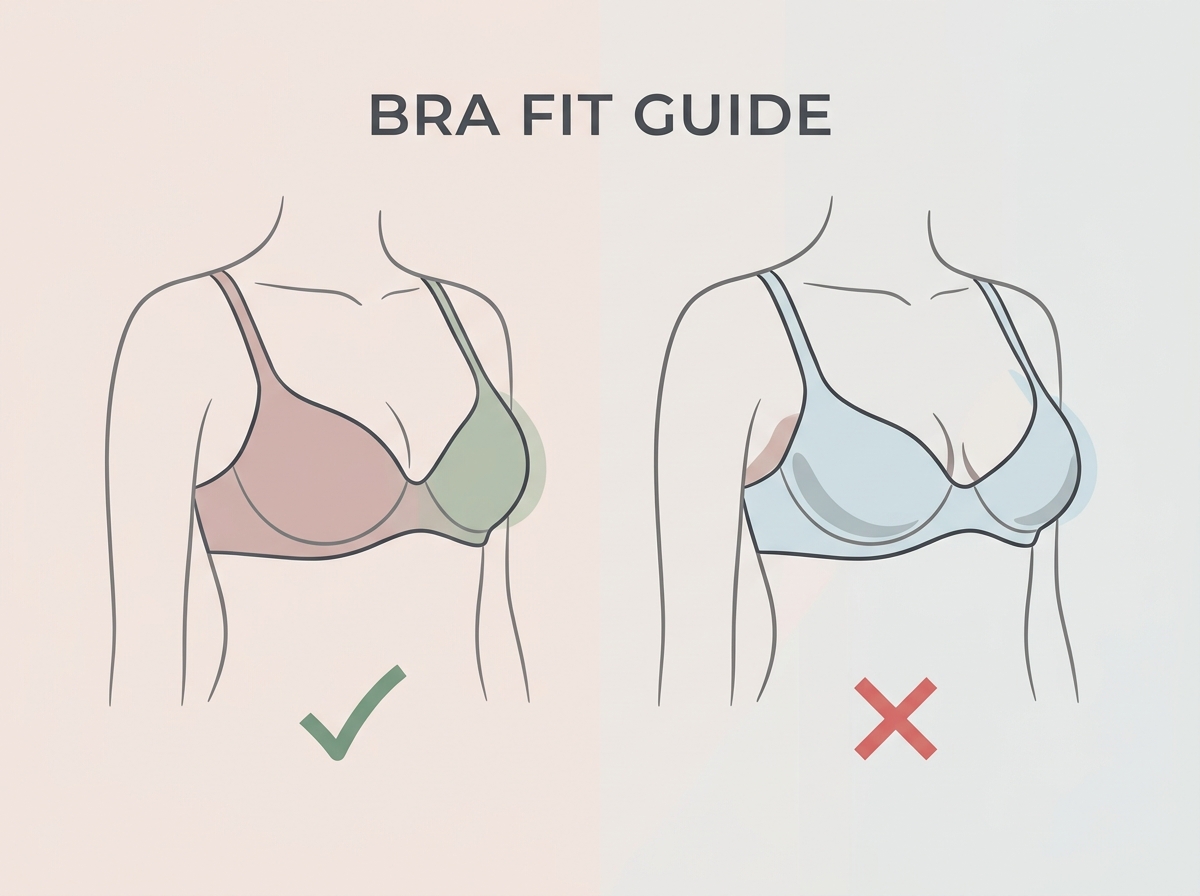
Wearing a bra that fits correctly provides reliable daily support and all-day comfort. A well-fitted band takes the weight off your shoulders, prevents slipping or digging straps, and ensures your garments sit smoothly against your body.
Because body measurements and bra sizing matrices vary across different manufacturers, learning how to measure your bra size accurately is the most dependable way to establish your baseline. If your current bra feels uncomfortable, browse our bra fit diagnostic guide for common solutions.